
Metal Detecting Trowel for Clean Target Recovery
All for Metal Detection. Find More. Fill More.
CKG creates practical gear for people who love metal detecting, beach hunting and outdoor treasure recovery. Our sand scoops, shovels, handles and accessories are made to help detectorists search longer, recover targets faster and enjoy every hunt with more confidence.
From dry sand to wet beaches, from casual weekend searches to serious detecting sessions, CKG tools are built for real conditions and real finds.
Find more. Fill more. Hunt with CKG.
Featured collection


Choose the Right Metal Detecting Gear

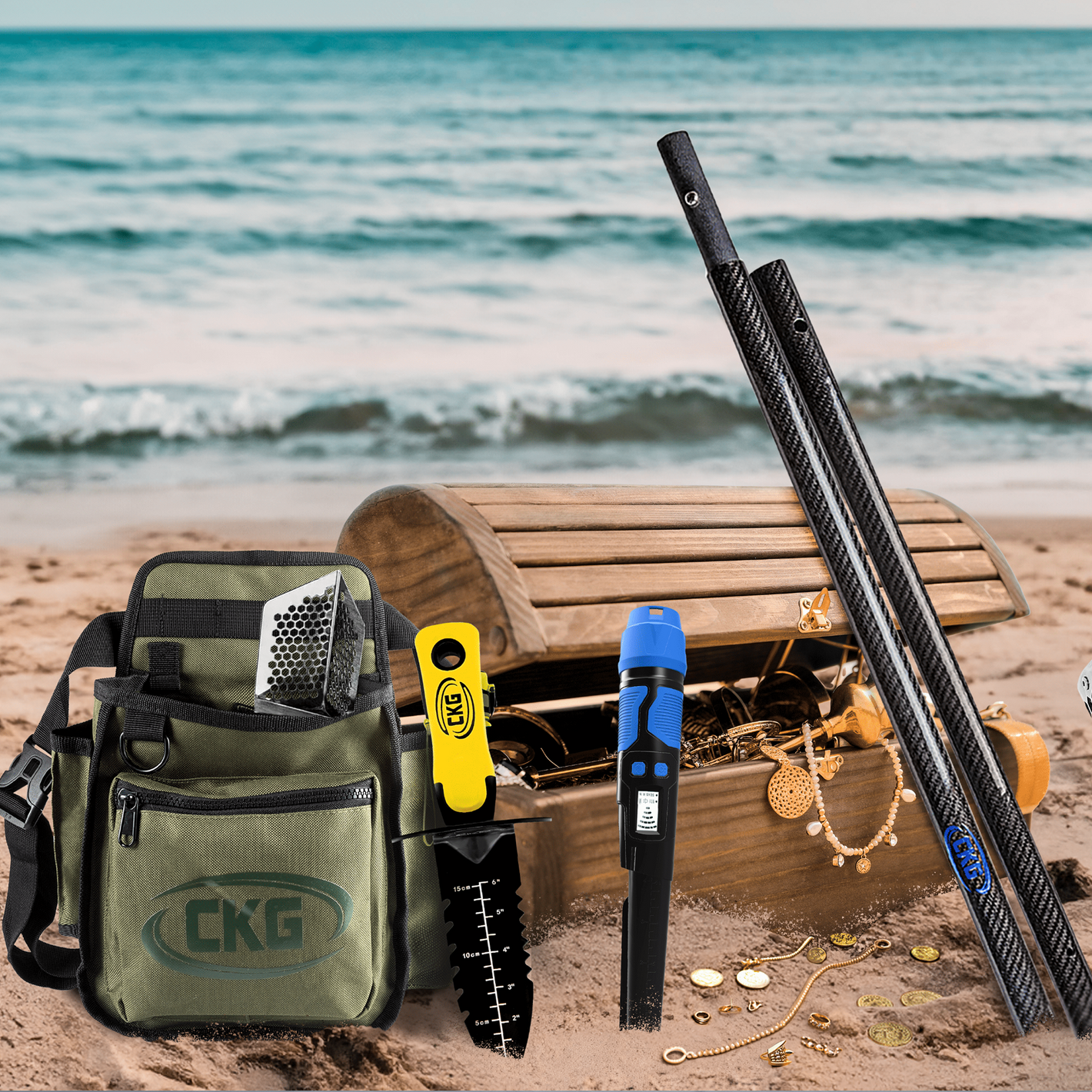

How to choose
-
For dry sand
Choose a lightweight scoop with fast sifting holes. It will be easier to carry and use during long beach walks.
-
For wet sand
Pick a stronger scoop with a reinforced basket. Wet sand is heavier, so the scoop should feel stable when lifting material.
-
For shells, gravel and pebbles
Use a durable metal scoop with holes that allow sand to fall through while keeping coins, rings and jewelry inside.
-
For shallow water detecting
A long handle and corrosion-resistant material are more important. This helps you recover targets without bending too much.
-
For long detecting sessions
Titanium is a good premium choice because it keeps the setup lighter. Stainless steel is a strong and more affordable option for regular use.
Video
Video
Video
Video
Video
Metal Detecting Trowel for Clean Target Recovery
A metal detecting trowel is one of those tools that may look small in a gear bag, but quickly becomes important once you start digging real targets. A detector can find the signal, and a pinpointer can narrow it down, but sooner or later you still need to open the ground. That is where a good digging trowel for metal detecting makes the difference between a clean recovery and a messy hole.
For parks, fields, woods and old home sites, a trowel often feels more natural than a full-size shovel. It is compact, easy to carry and less aggressive-looking when you are detecting in public places. Many detectorists prefer a hand trowel for detecting because it helps cut a smaller plug, work carefully around roots and recover coins, relics or small targets without removing more soil than necessary.
A detectorist trowel is not the same as a cheap garden tool. A regular garden trowel may work for soft soil, but metal detecting puts different pressure on the blade. You may need to cut grass plugs, work through packed soil, deal with roots, reach small targets and carry the tool on your belt for hours. That is why people look for a metal detecting trowel for sale instead of grabbing the first small shovel they find.
Why a Trowel Matters for Detectorists
A good metal detecting trowel is mainly a target recovery tool. It helps you cut, lift and replace soil in a controlled way. This matters most in parks, yards and grass areas where careless digging can leave visible damage. A clean plug is not only about looks; it is part of responsible detecting.
When you use a digging tool with control, the ground is easier to restore. A narrow blade metal detecting trowel or compact digging trowel can help open a smaller area around the signal. In softer soil, that may be enough for coin recovery. In harder ground, you may need a sharper blade, serrated edge or stronger body to make the cut.
A metal detecting trowel for clean target recovery is especially useful when you are learning. Beginners often dig too wide, too deep or too roughly at first. A smaller tool slows the process down in a good way. It helps you think about where the target is, how to cut the plug and how to put the soil back neatly.
For many people, the best metal detecting trowel is the one they actually carry every time. If it is too heavy, too bulky or uncomfortable, it stays in the car. If it is compact, durable and easy to reach, it becomes part of the normal detecting routine.
Metal Detecting Trowel for Parks, Fields and Woods
The best metal detecting trowel for parks is usually one that makes clean plug cutting easier. Park detecting often means grass plugs, shallow coins, pull tabs, bottle caps and small modern targets. You do not always need a large shovel. A hand trowel for metal detecting gives more control and looks less intimidating around public lawns.
For fields, the priorities can change. A field trowel for metal detecting should handle packed soil, uneven ground and deeper signals. In plowed fields or older sites, relic recovery may require more strength than casual coin hunting in a park. A rugged aluminum field trowel or stainless steel digging trowel can be useful when the soil is harder or full of small roots.
In woods and old home sites, roots are often the real problem. A metal detecting trowel for roots should have a blade that can cut rather than just push. A serrated trowel for metal detecting, saw tooth digging trowel or metal detecting trowel with serrated edge helps when thin roots cross the target area. A sharp blade detecting trowel can also help with cleaner soil cutting.
For relic hunting, a digging trowel for relic hunting should be stronger than a light garden tool. Relic targets can sit in packed soil, near roots or in places where the ground has not been disturbed for years. A relic hunting trowel needs to feel sturdy in the hand, not bend the first time it meets hard soil.
Aluminum, Stainless Steel and Heavy Duty Trowels
An aluminum digging trowel is a good option when weight matters. A lightweight aluminum detecting trowel is easier to carry in a backpack or pouch, especially on long walks. For people who want a portable metal detecting trowel or backpack trowel for metal detecting, aluminum can be practical because it keeps the setup light.
A compact aluminum digging trowel works well for soft soil, light digging and quick target recovery. It can be a good choice for beginners, short hunts or travel setups. If you want a portable aluminum trowel for detecting, check the blade shape and handle comfort before buying. The tool should feel solid enough for real use, not just light in the hand.
A stainless steel digging trowel or stainless steel trowel for metal detecting is usually better when strength matters more than weight. Stainless steel can handle tougher soil and repeated digging better than many cheap lightweight tools. For hard soil, packed soil or regular field use, a stronger blade can be worth the extra weight.
A heavy duty trowel is useful when you need more confidence in the ground. A heavy duty aluminum trowel can work if it has a strong body and good blade shape, but for tougher conditions many detectorists prefer a rugged or stainless steel option. The choice depends on where you hunt. Soft soil and parks do not need the same tool as relic sites, fields and woods.
Serrated Edge, Sharp Blade and Root Cutting
The blade is the working part of any treasure hunting trowel. A smooth blade can be fine for soft soil, but roots and grass plugs often need more bite. That is why a serrated metal detecting trowel is popular. The serrated edge helps cut through small roots, turf and packed ground without forcing the tool too much.
A saw tooth edge is useful when you need to work around roots. It does not replace a full digging knife, but it gives the trowel more control. A metal detecting trowel with sharp blade can cut cleaner plugs, while a trowel blade with a narrow shape can reach smaller target areas.
A metal detecting trowel for plug cutting should not tear the ground apart. The goal is clean digging. You want to cut the plug, lift it carefully, recover the target and put everything back as close as possible to how it looked before. A good plug cutter or soil cutter helps with that.
For parks and lawns, clean plug work is important. For fields and woods, the ground may not need the same perfect finish, but control still matters. A sharp blade, root cutting edge and comfortable grip all make recovery easier.
Ergonomic Handle, Grip and Carry Options
A metal detecting trowel with ergonomic handle can make a surprising difference. Digging is repetitive. You may recover dozens of signals during one hunt, and even small discomfort becomes noticeable after a while. A comfortable grip helps reduce hand fatigue, especially in packed soil.
A non slip grip is useful when the tool gets muddy, wet or dusty. A metal detecting trowel with non slip grip gives better control when cutting plugs or working near roots. If the handle feels too thin, slippery or awkward, the tool becomes harder to trust.
Carry options matter too. A metal detecting trowel with protective sheath is safer in a pouch or backpack because the blade is covered. A metal detecting trowel with belt holder or belt loop gives quick access. Many detectorists like belt mounted tools because they keep both hands free while walking, swinging the detector or using a pinpointer.
A protective sheath or tool sheath also keeps the sharp blade from damaging other gear. If you carry a finds pouch, pinpointer, gloves and other recovery tools, the trowel should have its own secure place. Easy carry and quick access are not just convenience features. They help keep the hunt moving.
Compact Trowel for Beginners and Travel
The best metal detecting trowel for beginners should be simple, compact and strong enough for normal target recovery. Beginners do not always need a large digging tool right away. A small trowel for metal detecting can teach good habits: dig carefully, keep the plug neat, use a pinpointer and avoid making unnecessary holes.
A compact metal detecting trowel is also useful for travel. It fits into a backpack, carry bag or small detecting setup. A backpack trowel is practical when you want lightweight gear for short hunts, park detecting or casual treasure hunting. It is not always the best tool for deep relic sites, but it is easy to bring along.
A portable digging trowel is useful when you do not want to carry a full shovel. It works well for coin hunting, shallow targets and smaller recovery jobs. For many detectorists, a portable metal detecting trowel becomes the tool they keep close even when they also own larger digging tools.
A small digging trowel is not about digging huge holes. It is about controlled recovery. For coin hunting, jewelry, small relics and shallow targets, that control can be more useful than raw digging power.
Trowel for Coin Hunting, Relic Hunting and Treasure Recovery
A coin hunting trowel should help with clean target recovery. Coins are often found in parks, yards, old paths and public areas where neat digging matters. A metal detecting trowel for coin hunting should be easy to control and comfortable enough for repeated shallow recoveries.
A relic hunting trowel may need more strength. Relics can be deeper or located in harder ground. A digging trowel for treasure hunting or digging trowel for relic hunting should have a durable blade, strong handle and enough length to work through packed soil.
A treasure hunting trowel is really a small recovery tool. It helps with target retrieval, small target recovery and careful soil cutting. It can be used alongside a pinpointer, finds pouch and digging knife. The trowel opens the ground, the pinpointer helps locate the object, and the pouch keeps finds and trash organized.
For old home sites, fields and woods, a field trowel for treasure hunting can be more useful than people expect. It is smaller than a shovel, but more controlled. When paired with the right technique, it helps recover targets without turning the ground into a mess.
How to Choose the Best Metal Detecting Trowel
When choosing the best metal detecting trowel, start with the ground. Soft soil, parks and grass plugs call for control. Hard soil, roots and fields call for strength. If you hunt mostly parks, look for clean plug cutting, a narrow blade and a comfortable grip. If you hunt fields or relic sites, look for a durable blade, stronger body and serrated edge.
Material matters too. Aluminum is lightweight and portable. Stainless steel is stronger and often better for tough ground. A heavy duty trowel is useful for regular field work, but may be more than you need for occasional park detecting.
Check the blade shape. A narrow blade helps with precise recovery. A wide blade can move more soil. A serrated edge helps with roots. A sharp blade helps with clean plugs. A scoop blade can help lift loose soil from the hole.
Also check the carry system. A protective sheath, belt holder or belt loop makes the tool easier to carry and safer around other gear. If the trowel is hard to access, you will notice it every time you get a signal.
Buying a Metal Detecting Trowel
If you want to buy metal detecting trowel products online, compare more than the price. Look at material, blade style, grip, length, weight, sheath and intended use. A metal detecting trowel for sale should clearly show whether it is better for parks, fields, relic hunting, coin hunting or general target recovery.
A best metal detecting trowel for beginners should be easy to carry and simple to use. A best metal detecting trowel for parks should help with clean plugs and low ground disturbance. A best metal detecting trowel for fields should be stronger and more rugged. A best metal detecting trowel for relic hunting should handle roots and harder soil.
If you are looking for an aluminum trowel for metal detecting, choose one that feels durable enough for real use. If you want a serrated digging trowel, make sure the edge is designed for cutting roots and soil, not just for looks. If you need a trowel with belt holder, check that the sheath or holder keeps the tool secure while walking.
A good metal detecting trowel does not need to be complicated. It should cut cleanly, carry easily and help recover targets without making a mess. When the tool feels right, you spend less time fighting the ground and more time detecting.