
Water Sand Scoop for Beach Metal Detecting
All for Metal Detection. Find More. Fill More.
CKG creates practical gear for people who love metal detecting, beach hunting and outdoor treasure recovery. Our sand scoops, shovels, handles and accessories are made to help detectorists search longer, recover targets faster and enjoy every hunt with more confidence.
From dry sand to wet beaches, from casual weekend searches to serious detecting sessions, CKG tools are built for real conditions and real finds.
Find more. Fill more. Hunt with CKG.
Featured collection


Choose the Right Metal Detecting Gear

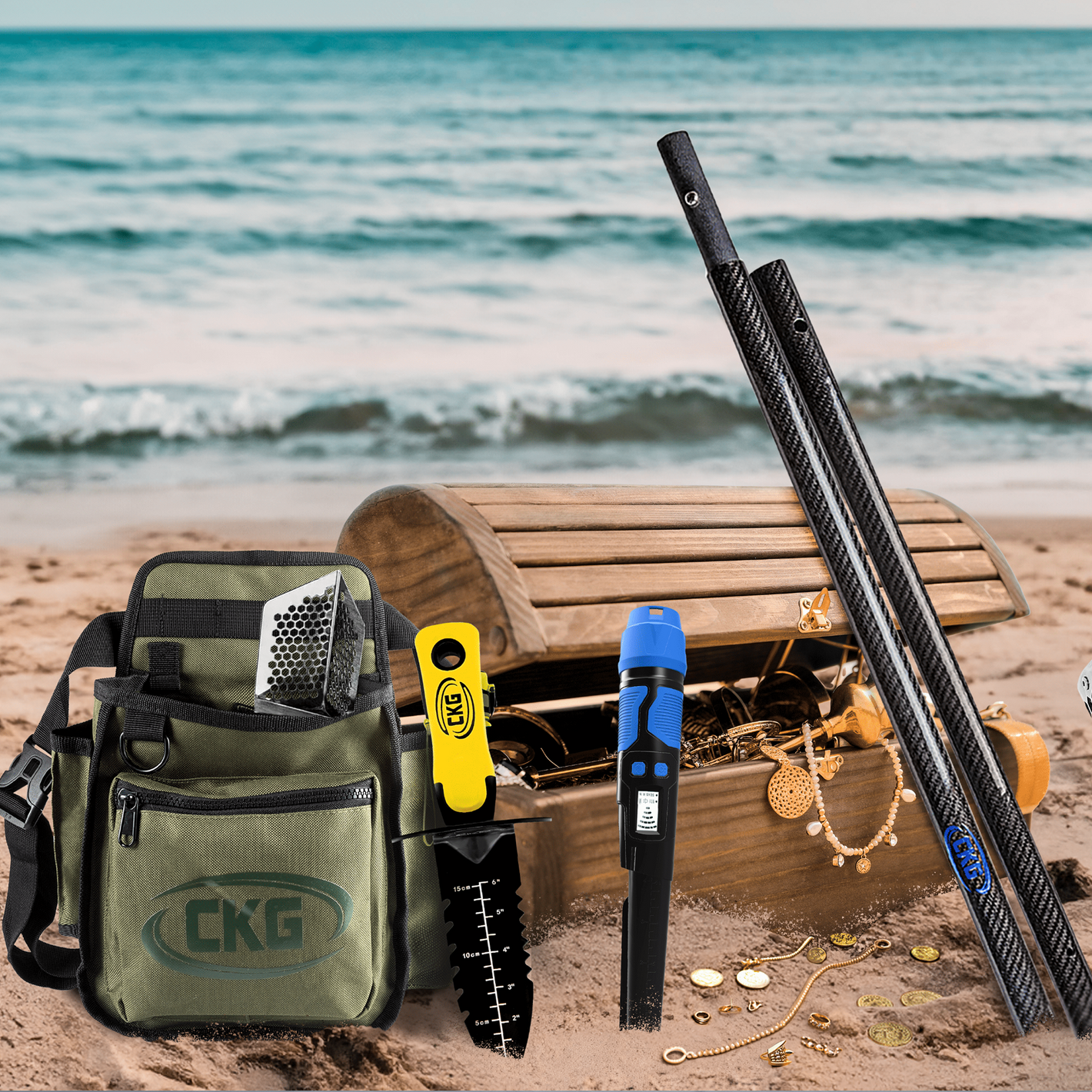

How to choose
-
For dry sand
Choose a lightweight scoop with fast sifting holes. It will be easier to carry and use during long beach walks.
-
For wet sand
Pick a stronger scoop with a reinforced basket. Wet sand is heavier, so the scoop should feel stable when lifting material.
-
For shells, gravel and pebbles
Use a durable metal scoop with holes that allow sand to fall through while keeping coins, rings and jewelry inside.
-
For shallow water detecting
A long handle and corrosion-resistant material are more important. This helps you recover targets without bending too much.
-
For long detecting sessions
Titanium is a good premium choice because it keeps the setup lighter. Stainless steel is a strong and more affordable option for regular use.
Video
Video
Video
Video
Video
Water Sand Scoop for Beach Metal Detecting
A water sand scoop is one of those tools that starts to make real sense when you move from easy dry sand to the wetter part of the beach. Dry sand is simple. You dig, lift the basket, shake it a little, and most of the sand falls through. Wet sand is different. It sticks together, feels heavier, and sometimes the target seems to move every time you touch the hole. Around shallow water or the surf line, this becomes even more noticeable.
That is why a sand scoop for water hunting is not just another beach accessory. It is part of the working setup. A regular shovel can move sand, but it does not help much when you need to sift, rinse and recover a small target before the next wave moves everything around again. A real water metal detecting scoop is made for that kind of job: push into wet sand, lift the material, shake or rinse it, and keep the coin, ring or jewelry inside the basket.
For beach hunters, the most difficult part is often not finding the signal. It is recovering the target cleanly. In dry sand, recovery can be fast. In wet sand, shallow water or packed beach material, you need a scoop that feels stable and does not fight you. A wet sand scoop should be strong enough to handle heavier material, but still comfortable enough to use again and again during a long hunt.
Why Wet Sand Needs a Better Scoop
Wet sand is the real test for any scoop. It is heavier than dry sand, it clumps together, and it can hold the target in place until you disturb it. Then the target may shift deeper, move sideways or disappear into the moving sand. This is why many detectorists prefer a proper wet sand metal detecting scoop instead of a light toy-like beach scoop.
A good sand scoop for wet sand helps you work faster. You can dig into the signal area, lift a full basket and either shake it out or rinse it in the water. Sometimes wet sand needs shaking. Sometimes it needs washing. Either way, the scoop has to be strong enough to take the pressure.
This is especially important around the slope of the beach, where dry sand turns into wet sand and the water starts to move in and out. Many beach hunters like this area because rings, coins and small jewelry can settle there. But it is also harder to work. A surf sand scoop or water beach scoop gives better control in that zone.
Surf Line and Shallow Water Hunting
A surf scoop metal detecting setup needs to handle more than loose sand. Near the surf line, you deal with moving water, soft holes that collapse quickly, and targets that are easy to lose if recovery takes too long. A sand scoop for surf should feel stable in your hands and strong at the basket. If it bends, twists or feels loose, every signal becomes slower.
A sand scoop for shallow water usually needs a long handle. The longer handle helps you reach into the water without bending too much or putting your hands into every hole. It also gives better leverage when the scoop is full of wet sand. This matters more than people expect. After an hour of surf line detecting, your back and shoulders will notice whether the handle is right.
For saltwater beaches, material quality also matters. A saltwater sand scoop should handle moisture, sand, scratches and repeated rinsing. Beach tools do not stay clean. They get dragged, pushed, dropped and shaken. A weak scoop may work for a few easy trips, but shallow water and wet sand will quickly show where the basket, welds or handle connection are not strong enough.
Underwater and Diving Sand Scoops
An underwater sand scoop is used when the search moves beyond the dry beach and into the water itself. This can mean shallow water, calm shorelines, swimming areas or places where people lose rings, chains and small valuables. A diving sand scoop or diving scoop metal detecting tool needs to be easy to control because the water adds resistance and the sand moves differently under your feet.
In water hunting, the scoop often has to do two jobs at once. It has to dig into the bottom and also act like a sifter. Once you lift the basket, water helps wash sand away, but only if the hole pattern works well. If the holes are too small, material stays packed inside. If they are too large, smaller targets may be harder to keep. The right balance helps with fast recovery.
A sand scoop for water hunting should also be easy to handle when visibility is not perfect. In shallow water, you may not always see the target clearly. You may be working by feel, checking the signal again, and trying not to lose the spot. A stable basket and long handle make this process much easier.
Ocean Beach and Saltwater Conditions
A sand scoop for ocean beach detecting has to deal with rougher conditions than a scoop used only in dry sand. Ocean beaches can have coarse sand, shells, pebbles, black sand areas, packed layers and moving water. Every beach is different, and the same scoop may feel great in one place and slow in another. That is why balance matters.
A large basket can move more sand at once, which helps with deep targets. But a big scoop full of wet sand can feel heavy quickly. A smaller scoop is easier to control, but it may take more digs to recover the same target. For many detectorists, the best sand scoop for beach hunting is not simply the biggest one. It is the one that matches the beach, the water depth and how long they usually hunt.
A treasure hunting sand scoop should make the search smoother, not harder. If you are working the waterline, you want quick recovery. If you are searching shallow water, you want control. If you are hunting after a busy beach day, you want a basket that can handle coins, rings, jewelry, bottle caps and all the other things that end up in the sand.
Choosing a Beach Hunting Sand Scoop
When choosing a beach hunting sand scoop, think first about where you spend most of your time. If you mostly search dry sand, a lighter scoop may be enough. If you work wet sand, surf, shallow water or saltwater beaches, choose something stronger and more stable.
Look at the handle length, basket shape, hole pattern and connection point. The handle should be long enough to save your back. The basket should be strong enough for wet sand and shells. The holes should let sand clear quickly but still keep common targets inside. The handle connection should feel solid because this area takes a lot of pressure when you push into packed sand.
A treasure hunting beach scoop is not just for finding valuables faster. It also keeps the hunt more comfortable. Less bending, faster sifting and better control can make a long beach session feel much easier. When the scoop works well, you spend less time fighting the sand and more time actually detecting.
Why a Real Water Scoop Matters
Beach detecting looks simple from the outside, but anyone who has worked wet sand knows it can be tiring. A water sand scoop helps because it is made for the part of the beach where recovery is hardest. Dry sand sifts fast, but wet sand needs shaking, rinsing and patience. Shallow water adds movement. Saltwater adds wear. Coarse sand and shells add pressure.
That is why a proper water hunting sand scoop is worth considering if you search beaches often. It helps recover targets faster, keeps small finds in the basket, and makes surf line detecting more manageable. For coins, rings, jewelry and beach treasure hunting, the right scoop can change the whole rhythm of the hunt.
A good scoop will not make every signal valuable. You will still dig trash, bottle caps, foil and pieces of metal. But it will make each recovery cleaner and faster. And on a long day at the ocean beach, that difference matters.