
Sand Dipper and Sand Shovel for Metal Detecting
All for Metal Detection. Find More. Fill More.
CKG creates practical gear for people who love metal detecting, beach hunting and outdoor treasure recovery. Our sand scoops, shovels, handles and accessories are made to help detectorists search longer, recover targets faster and enjoy every hunt with more confidence.
From dry sand to wet beaches, from casual weekend searches to serious detecting sessions, CKG tools are built for real conditions and real finds.
Find more. Fill more. Hunt with CKG.
Featured collection


Choose the Right Metal Detecting Gear

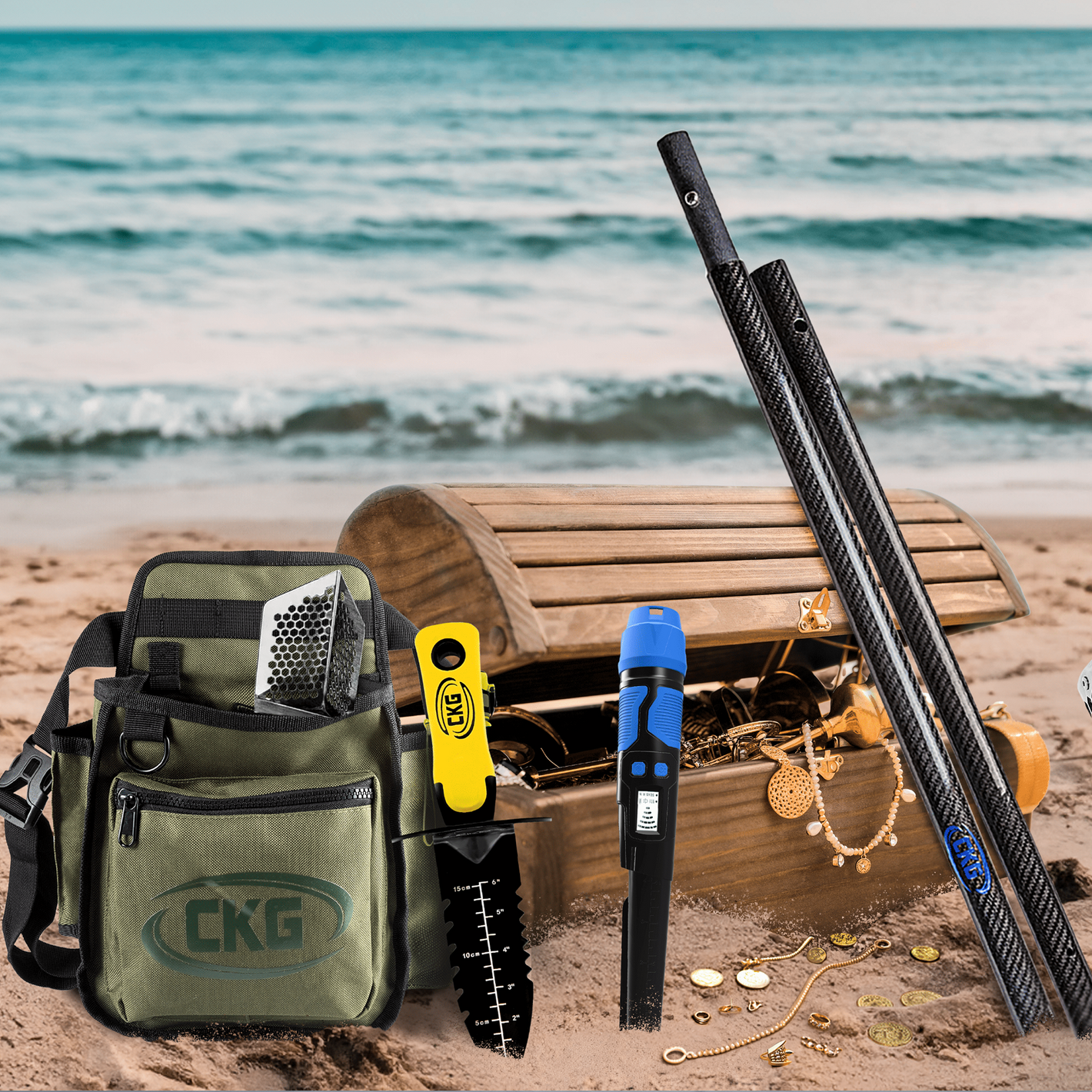

How to choose
-
For dry sand
Choose a lightweight scoop with fast sifting holes. It will be easier to carry and use during long beach walks.
-
For wet sand
Pick a stronger scoop with a reinforced basket. Wet sand is heavier, so the scoop should feel stable when lifting material.
-
For shells, gravel and pebbles
Use a durable metal scoop with holes that allow sand to fall through while keeping coins, rings and jewelry inside.
-
For shallow water detecting
A long handle and corrosion-resistant material are more important. This helps you recover targets without bending too much.
-
For long detecting sessions
Titanium is a good premium choice because it keeps the setup lighter. Stainless steel is a strong and more affordable option for regular use.
Video
Video
Video
Video
Video
Sand Dipper and Sand Shovel for Metal Detecting
A sand dipper is a useful tool for beach metal detecting when you want to recover targets faster without carrying a large full-size scoop. It is made for the simple but repeated part of the hunt: dig the sand, lift the material, sift it, find the target, and move on. On a busy beach, this can happen dozens of times in one session, so the recovery tool matters almost as much as the detector.
A regular shovel can move sand, but it does not separate the target from the sand. A beach sand dipper, sand scoop shovel, or sand sifter shovel is different. It is designed to dig and sift at the same time. Sand falls through the holes while coins, rings, jewelry, pull tabs, bottle caps, and other metal targets remain in the basket. For detectorists, that is the real value: faster recovery with less wasted digging.
A metal detecting sand dipper is especially helpful in dry sand, soft sand, towel line areas, beach entrances, and shallow recovery zones. These are places where many targets sit close to the surface. You do not always need a heavy long-handle scoop for this kind of search. A portable sand dipper or compact beach digging scoop can be enough when the sand is loose and easy to sift.
Why a Beach Sand Dipper Helps with Less Bending
One of the main reasons detectorists use a sand dipper for metal detecting is comfort. Beach hunting looks easy until you spend an hour bending down after every signal. A sand dipper for less bending can make the whole hunt feel easier, especially for older detectorists or anyone who wants to avoid kneeling in the sand again and again.
A long handle sand dipper gives more reach than a short hand scoop. This is useful when you want to recover shallow targets without crouching every time. For people with bad knees or back discomfort, a sand dipper for older detectorists can be a practical part of the beach setup. It does not make every recovery effortless, but it reduces the number of awkward movements during the hunt.
An adjustable sand dipper can also be helpful because different beaches and hunting styles need different reach. Some people prefer a shorter tool for dry sand and close control. Others want a longer handle for shallow water, wet sand, or quick recovery while standing. The best sand dipper for metal detecting is usually the one that feels natural after repeated use, not just the one that looks strongest in a product photo.
Sand Scoop Shovel vs Regular Shovel for Beach Detecting
A sand shovel metal detecting tool should not be confused with a normal beach shovel. A regular shovel digs, but it does not sift. A sand shovel scoop or beach scoop shovel is made for recovery. It lifts the sand and lets loose material fall through, leaving the target where you can see it.
This makes a beach sand shovel metal detecting tool more useful for target retrieval. After your detector gives a signal, you need to isolate the object quickly. A metal detector sand shovel helps with sand recovery because it combines digging and screening in one motion.
A sand scoop shovel for metal detecting is also cleaner than digging by hand. Instead of spreading sand around and checking the hole several times, you can lift one scoop of sand, shake it, and check the basket. This is especially useful in dry sand, where material clears quickly.
For wet sand, the process is slower. Wet sand sticks together and may need more shaking or rinsing. That is why a beach scoop shovel for wet sand should be stronger and more stable than a lightweight dry sand tool. A beach scoop shovel for dry sand can focus more on speed, while a wet sand tool needs more strength.
Sifting Shovel for Metal Detecting: Why Holes Matter
A sifting shovel for metal detecting works because of its holes. Without them, it is just a shovel. With the right hole pattern, it becomes a recovery tool. Sand falls through, while targets stay inside the scoop.
A sand sifter shovel is useful for dry sand because loose material passes through quickly. This makes it easier to recover coins, rings, earrings, and other small finds. A beach sand sifter shovel with handle can make the process even more comfortable because you can work while standing instead of bending after every signal.
Hole size matters. If the holes are too small, sand may clear slowly. If the holes are too large, small jewelry or thin targets may be harder to keep in the basket. A sand sifter shovel for coins and rings needs a balance between fast sand release and target retention.
A sand sifter shovel for jewelry should hold small finds well enough that they do not slip through during recovery. For beach jewelry hunting, this can be important. Small earrings, chain pieces, and thin rings are easy to miss if the basket drains too aggressively.
Sand Dipper for Dry Sand, Wet Sand and Shallow Water
A sand dipper for dry sand is usually used in loose beach areas where the sand is soft and easy to move. This is where a lightweight sand dipper or portable sand dipper can work very well. Dry sand clears quickly, so the tool does not need to be oversized or overly heavy.
A sand dipper for wet sand has a harder job. Wet sand can stay packed inside the basket, making recovery slower. In these conditions, the tool needs a stronger basket, a comfortable handle, and enough drainage to let water and sand clear out. Sometimes the best method is to dip or rinse the scoop in water so the sand breaks apart faster.
A sand dipper for shallow water can be useful when you are working near the waterline or in calm beach areas. Shallow water can help wash sand through the basket, but it also moves targets around. A stable scoop helps keep the recovery controlled. For waterline detecting, a longer handle can also reduce bending and make the tool easier to use.
Metal Detecting Sand Shovel for Coins, Rings and Jewelry
A metal detecting sand shovel for beach hunting should help recover common beach targets quickly. Coins, rings, earrings, small jewelry, bottle caps, and pull tabs are all part of the search. You will not know what the target is until you recover it, so the tool should make every recovery as efficient as possible.
A sand shovel scoop for coins needs to sift fast. Coins are usually easy to hold in the basket, so drainage and speed are important. A sand shovel scoop for rings should give more control, especially in wet or moving sand. A sand shovel scoop for jewelry needs a basket that can hold smaller finds without letting them slip through the holes.
For beach treasure hunting, the right tool helps you stay in rhythm. You hear a signal, recover it, check the basket, and continue. A metal detecting digging scoop or beach digging scoop keeps that process smooth. When the tool works well, you spend less time fighting the sand and more time covering productive areas.
Beach Digging Scoop for Fast Target Recovery
A beach digging scoop is useful when you want something more focused than a regular shovel but simpler than a large water scoop. It is a practical recovery tool for dry sand, light wet sand, and shallow beach targets.
A metal detecting digging scoop should be strong enough for repeated use but not so heavy that it becomes annoying to carry. This is especially important for long walks on the beach. A compact tool is easier to carry, while a larger basket can move more sand per scoop. The right choice depends on where and how you hunt.
A metal detecting digging tool for beach sand should also be easy to shake. Fast sifting helps with quick recovery, especially in areas with many signals. Around towel lines and busy beach spots, recovery speed matters because targets can be close together.
A beach detecting shovel with sifting holes helps keep the search cleaner. Sand goes back to the beach, and the target stays in the scoop. This makes the recovery process easier and more organized.
How to Choose a Sand Shovel Scoop for Beach Hunting
When choosing a sand shovel scoop for beach detecting, start with your beach conditions. If you mostly hunt dry sand, choose a lightweight tool with fast sifting holes. If you work wet sand or shallow water, look for a stronger basket and stable handle. If you travel often, a portable or adjustable option may be more convenient.
A treasure hunting shovel for beach use should not be judged only by size. A larger scoop can move more sand, but it may also get heavy when full. A smaller scoop is easier to carry, but it may take more scoops to reach deeper targets. Balance matters.
Material is also important. Stainless steel is strong and durable. Aluminum can be lighter. Plastic or non-metallic scoops can be useful in some situations because they are lightweight and may not interfere with the detector, but they are not always the best choice for wet sand or tougher beach conditions.
If you plan to buy sand dipper or buy sand shovel for metal detecting products online, check the handle length, basket size, hole pattern, material, and intended use. A sand dipper for sale should clearly show whether it is better for dry sand, wet sand, shallow water, or general beach detecting.
Long Handle, Hand Scoop or Sand Dipper: What Works Best
A hand scoop is compact and easy to carry, but it requires more bending. A long handle sand dipper helps reduce bending and can be more comfortable for longer hunts. A beach sand sifter shovel with handle can be a good middle option when you want both reach and sifting ability.
For dry sand, a short or medium tool may be enough. For shallow water or wet sand, a longer handle usually feels better. For older detectorists or people with bad knees, a sand dipper for less bending can be a smart upgrade.
The best setup depends on your hunting style. Some detectorists want the lightest possible tool. Others prefer a stronger beach digging scoop that can handle wet sand and heavier material. A beginner may start with a simple beach sand dipper, while a more experienced hunter may choose a stronger metal detecting sand shovel for beach use.
When you buy beach sand dipper, buy beach scoop shovel, or buy sand sifter shovel products, think about real use, not only the product name. A good recovery tool should help you dig, sift, recover targets, and keep moving. That is what matters most on the beach.